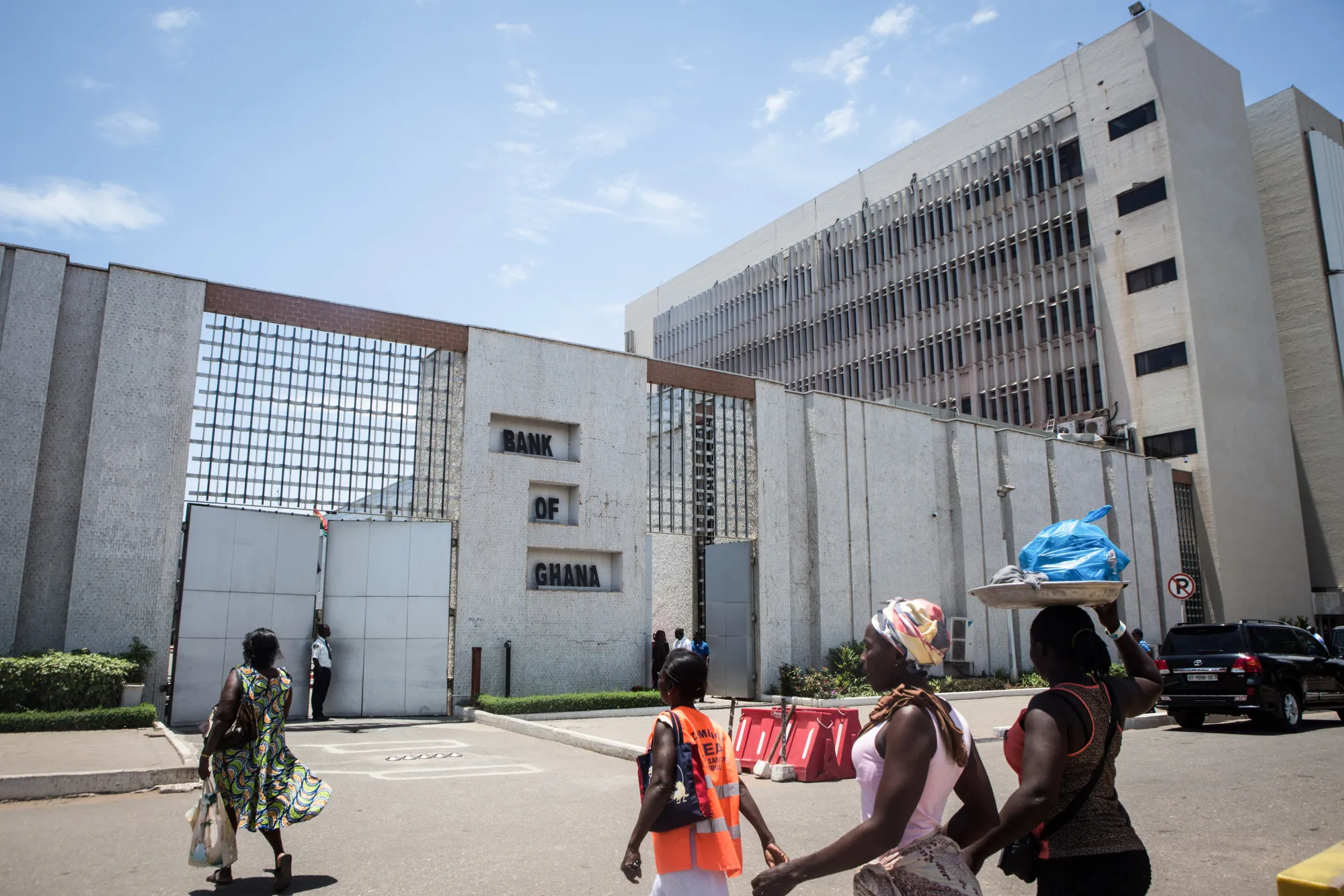
The Bank of Ghana (BoG) has faced increasing scrutiny following reports of significant financial performance across different regimes. However, the overwhelming financial losses during the last consecutive years (2017-2023) poses a significant threat and weakens the trust of many Ghanaians. This is more of fiscal and financial security fragility. The institution’s role as the central bank is pivotal in ensuring macroeconomic stability, yet the magnitude of the losses between 2017 and 2023 raises questions about governance, financial prudence, and accountability. As a result, the Bank of Ghana must be subjected to a comprehensive investigation, backed by evidence from its financial records over the years.
Financial Losses
A critical examination of the BoG’s financial performance reveals a troubling trend of losses. The BoG’s reports indicate that the institution recorded billions of Ghana cedis in losses during the specified period. For instance, the BoG’s 2022 financial report disclosed a loss of over GHS 60 billion, attributed to impairments in government bonds and exchange rate volatility. While external factors such as global economic shocks cannot be ignored, the scale of these losses suggests deeper structural inefficiencies and potential mismanagement within the bank. Below is the trend of losses (balance of payment deficit). All figures are in Ghana Cedis (Ghs).
Figure 1: BoG’s Performance Between 2017 and 2023

Source: BoG
The consistent nature of these deficits undermines public confidence. As the custodian of the nation’s monetary health, the BoG is mandated to maintain sound monetary policies and safeguard public resources. However, the losses raise concerns about whether it has discharged these responsibilities effectively.
Why Investigation is Needed?
The need for an investigation into the Bank of Ghana’s operations is firmly rooted in Ghana’s legal and constitutional framework. Article 183 of the 1992 Constitution of Ghana mandates the BoG to promote and maintain the stability of the currency, direct and regulate the financial system, and ensure the economic well-being of the country. Persistent losses undermine these constitutional obligations, warranting an inquiry into their causes and the measures taken to address them.
Also, the Public Financial Management Act, 2016 (Act 921) emphasizes the importance of transparency, accountability, and prudent management of public funds. Section 96 of Act 921 provides for sanctions against public officials who fail to adhere to financial management principles. Therefore, an investigation into the BoG would determine whether these principles have been compromised and to identify culpable parties for sanction.
The Importance of Promoting Transparency and Accountability
The losses recorded by the Bank of Ghana are not merely figures on a balance sheet; they represent a direct threat to Ghana’s economic stability and the livelihoods of its citizens. High inflation rates, a depreciating cedi, and rising public debt have exacerbated economic hardships for ordinary Ghanaians. The central bank’s financial mismanagement, if left unchecked, will continue to erode public trust and weaken investor confidence.
Accountability is the cornerstone of democratic governance, and public institutions must be held to account for their actions. The Auditor-General’s reports have previously highlighted irregularities in public financial management, and the BoG should not be exempt from scrutiny. Transparency in addressing these losses is essential to restoring confidence in the central bank of Ghana and ensuring that lessons are learned to prevent future occurrences.
Yes, we all agreed that the Bank of Ghana to some extent does not operate in isolation but rather under the supervision of Parliament, which has the authority to demand accountability from public institutions as stated in Article 103 of the Constitution. This empowers parliament to establish committees to investigate matters of public interest. The question is, what is next after the investigation? I strongly believe the incompetence of the leadership is a great contributing factor. Therefore, after the investigation, it is important to sanction the leadership if they honorably failed to resign to ensure good governance practices, adherence to statutory obligations, and the effectiveness of its monetary policies to restore trust in the system.
Notwithstanding, an independent forensic audit should be conducted to uncover the root causes of the losses and assess compliance with financial regulations. The findings from the investigation should be made public, and any officials found culpable should face appropriate sanctions as prescribed by law.
The persistent financial losses recorded by the Bank of Ghana between 2018 and 2022 highlight systemic challenges cannot be ignored. As the central bank of Ghana, the BoG’s has the mandate to ensure economic stability and protect public resources. Therefore, any deliberate personal, or system errors which could not be prevented by the leadership, put their competencies on the line. Consequently, the new regime should reinvestigate the financial mess constitutionally, essential to uncover the causes of these losses to improve governance, accountability and transparency. This is because, Ghana’s economic future prospects greatly depends on the efficiency of its institutions, with lessons from the Bank of Ghana.
Stephen Dansu
Head of Research
Institute for Liberty and Policy Innovation
Article image source: Bloomberg, https://www.bloomberg.com/news/articles/2023-02-03/ghana-to-securitize-3-3-billion-in-central-bank-loans